

Create Fertility Logo
Loading ...

Save up to £1,000 on your fertility treatment this November - Join our next webinar on 16th Dec at 6pm to find out more.

Sign Up Now

Save up to £1,000 on your fertility treatment this November - Join our next webinar on 16th Dec at 6pm to find out more.

Sign Up Now
 

What is ICSI?

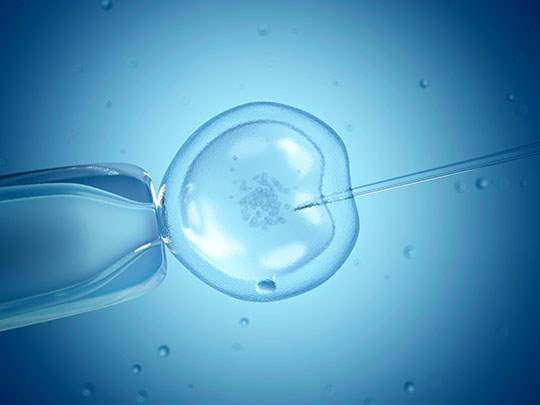
ICSI, or Intracytoplasmic Sperm Injection, is a specialised fertility treatment where a single sperm is injected directly into an egg in the lab, to help with fertilisation. It is mainly useful for certain cases of male factor infertility.

The intra-cytoplasmic sperm injection (ICSI) is performed in the lab after egg collection. It involves injecting a single sperm into the fluid contents of the egg cell, known as the cytoplasm.

A very fine glass pipette is used to collect a single sperm and inject it into a egg under the microscope, using specialised equipment. The fertilised eggs from this process are then incubated to develop into embryos. The embryo(s) are then transferred to the woman's womb. Apart from this lab step, your treatment experience with ICSI is the same as that of patients undergoing in vitro fertilisation (IVF).

Who is it for?

ICSI can be used in many situations but is particularly suitable for couples facing some male-factor infertility issues. These issues may include:

  • When the male partner has a lower-than-normal concentration of sperms in the ejaculate, making natural conception difficult.
  • When the sperms have abnormalities in their shape (sperm morphology) or are unable to swim properly (sperm motility).
  • In cases where sperm cannot be ejaculated, but have to be surgically collected, such as patients who had a vasectomy, those with obstructive azoospermia or non-obstructive azoospermia.
Join our next
online information
event
December 16th 2025

You will learn more about:
Our natural approach to fertility treatment
 The different types of fertility services we offer
 What your treatment journey with us looks like
 Our success rates
 What happens at a Scan & Consultation
Plus:
You can also have your questions answered by one of our lead fertility consultants during a live Q&A


What are the benefits of ICSI?​

ICSI offers numerous benefits for people hoping to start a family. Here's why it could be the right choice for you:

  • IMPROVED FERTILISATION
    Fertilisation is possible even with very low numbers of sperms, where conventional IVF may not be useful. On average ICSI has a fertilisation rate of around 70%. Certain cases of failed fertilisation can have better chances with ICSI.
  • MALE FACTOR INFERTILITY
    ICSI bypasses sperm limitations like very low count or weak motility, directly injecting the sperm into the egg.
  • WIDELY USED TECHNIQUE
    With decades of use and ongoing research, ICSI is a well-established procedure.
 

ICSI costs £1,275- £1,375

If you require ICSI due to a male factor fertility issue this can be added to either a Natural/Natural Modified or Mild IVF cycle.

Being recommended ICSI will depend on your individual circumstances and your personalised treatment plan which will be explained to you in more detail at your Initial Consultation.

We have various packages available to help patients with planning their treatment costs, if you wish to find out more please view our price guide or give us a call.

0% interest payment plans available

Spread the cost of your treatment

We want to make growing your family less stressful and more manageable by making sure your focus is on getting pregnant and having a baby. That's why we've introduced new cost-effective payment plans for our patients to help you make your family dreams a reality.

The ICSI process

At CREATE Fertility, we understand the unique challenges faced by couples experiencing infertility. ICSI is a specialised laboratory technique, performed within an IVF cycle, and can significantly increase your chances of achieving pregnancy in cases where there is male factor infertility. Here's a breakdown of the steps of an ICSI treatment cycle:

Previous step
Step 1:
Step 2:
Step 3:
Step 4:
Step 5:
Step 6:
Step 7:
Step 8:
Step 9:
Next step
  • Ultrasound scan

    The first step is for you to come to CREATE Fertility to have an advanced ultrasound scan. This is where we will look at your egg reserve, the health of your uterus and ovaries, and see if there are any polyps, fibroids or other factors affecting implantation. We may also test some hormonal levels that may affect your treatment cycle or outcome.

  • Semen analysis

    To assess if male infertility is a factor, we'll need a recent semen analysis. If you have had one within the past 6 months, bring the results with you. Otherwise, we can arrange one for you at our clinic. This involves producing a fresh sperm sample for analysis.

  • Consultation

    You may have the Consultation on the same day of your ultrasound scan, if you choose to have a face-to-face appointment. Alternatively, if it is more convenient, you may have it virtually, a few days after your scan. The consultant will discuss your medical history, the results of your scan and any other tests you’ve had, such as your semen analysis, and will talk you through your suggested treatment plan. This will be tailored to your individual diagnosis and agreed plan. You’ll also have an opportunity to ask any questions you have.

  • Ovarian stimulation and monitoring scans

    Your treatment is usually timed to coincide with your natural menstrual cycle, with some variations from one patient to the other depending on their individual diagnosis. Generally, depending on your personal treatment plan, you'll undergo a short course of injections to stimulate your ovaries. These medications mimic natural hormones to gently encourage ovarian follicles (fluid-filled compartments containing eggs) to develop. Regular ultrasound scans and blood tests will monitor your ovaries' response, allowing the dose of your medications to be adjusted if needed. Once the follicles reach optimal size, you will receive a trigger shot to prepare the eggs for collection.

  • Egg collection

    This minimally invasive procedure, carried out at the clinic, is performed under light sedation for your comfort. A thin needle guided by ultrasound is inserted through the vagina and into the ovaries to collect the follicular fluid containing the eggs.

  • ICSI (Intracytoplasmic sperm injection)

    In our state-of-the-art embryology lab, our embryologists will select a healthy sperm which is then injected directly into the cytoplasm of each mature egg. The eggs are incubated to give them a chance to fertilise and develop into embryos.

  • Fresh embryo transfer

    After fertilisation, our skilled embryologists will closely monitor the development of your embryos, usually for 3 to 5 days. The highest quality embryo will then be gently transferred through the cervix into your uterus for implantation. If you have any additional embryos which you wish to freeze for the future, this is when we will freeze them.

    Some patients may be advised to freeze all their embryos and aim for a Frozen Embryo Transfer cycle at a later date, depending on their clinical diagnosis.

  • Pregnancy test

    Approximately two weeks after your embryo transfer, you will come into our clinic for a pregnancy blood test to determine whether you have a successful pregnancy. You will receive the results before the end of the day.

  • Early pregnancy scan or follow up consultation

    When you are pregnant, we will schedule an early pregnancy scan at our clinic. However, if your pregnancy test is negative, we can arrange a follow-up consultation to discuss your treatment options for the next cycle.

Possible side effects of ICSI

ICSI is considered a low-risk procedure. However, like any medical intervention, it’s essential to be aware of potential side effects.

Most side effects associated with ICSI relate to the IVF process itself rather than the ICSI procedure. These can include ovarian hyperstimulation syndrome (OHSS) and multiple births — which carry higher risks for both the mother and the babies. At CREATE Fertility, our low dosage approach to treatment helps reduce physical risks during treatment such as OHSS, and you will be carefully monitored throughout your treatment to ensure you aren’t at risk of complications. We always recommend a single embryo transfer to avoid multiple births to ensure the safety of the patient and baby.

For more details on the possible side effects of ICSI, visit the HFEA website.

What's the difference between ICSI, IVF and IUI?

Deciding on a fertility treatment can be overwhelming. IUI, IVF, and ICSI offer different approaches. IUI – or intrauterine insemination - is the least invasive, placing sperm directly in the uterus, commonly used for unexplained infertility, or single women and same-sex couples. The processes of IVF and ICSI are clinically similar, involving collecting eggs from the ovaries and fertilising them with sperm in a lab. However, in IVF, the sperms are left to fertilise the eggs in the incubator, while in ICSI, a single sperm is injected into the egg, to assist fertilisation. Success rates vary for each individual, but IUI generally has lower success rates, with IVF and ICSI typically having similar results.

Considering ICSI treatment

The first step to starting treatment with us is to book an Initial Consultation and Scan appointment with one of our experienced IVF consultants.

Book appointment


What are the success rates of ICSI?

ICSI itself is very successful at helping the sperm and the egg to fertilise. On average, around 70-75% of eggs fertilise with the ICSI procedure. However, as with all IVF treatments, there are still many other factors affecting a successful pregnancy, including the age of the woman and whether she has any fertility issues herself.

View our success rates

Testimonials

Considering ICSI as part of your fertility journey? Hearing from others who have chosen this path can be invaluable. This section features real stories and testimonials from individuals and couples who have undergone ICSI treatment.

CREATE patients with baby She was finally here; happy and healthy!

After about a year of trying to conceive and nothing happening we decided to go to our GP for some tests. After the results came back, we were advised that our best course of action was to look into fertility treatment.

Thank you to all the team at CREATE...

They told me that I was ‘very pregnant’ and that was honestly the best news I have ever received. Words cannot express what we felt that day!

ICSI Frequently asked questions

How is ICSI different from IVF?

Both ICSI and IVF involve collecting eggs and sperm, but the fertilisation process differs. In IVF, sperm and eggs are mixed in a petri dish, allowing the sperm to fertilise the eggs naturally. ICSI, on the other hand, injects a single sperm directly into each egg using a microscopic needle. This bypasses any issues with sperm motility or penetration.

Is ICSI more successful than IVF?

ICSI doesn't necessarily guarantee a higher success rate than IVF on its own. It will only improve fertilisation rates when there are sperm issues. IVF success rates depend on various factors like egg and sperm quality, age, and underlying causes of infertility. However, ICSI can improve fertilisation rates when there's a male factor like low sperm count, poor motility, or abnormal sperm shape.

Is ICSI still IVF?

Yes, ICSI is a specialised technique used within the IVF process. It's essentially a form of advanced IVF used when traditional methods might not be as effective.

Is ICSI painful?

The ICSI procedure itself is not performed on the woman or man, it is done in the laboratory, and therefore doesn't cause pain.


Read our reviews

 
0333 240 7300